SS304 stainless steel quick disconnect fittings are used in homebrewing systems to connect hoses, transfer wort, and move liquids between brewing vessels. However, repeated exposure to wort, beer residue, moisture, and cleaning chemicals can affect fitting cleanliness, sealing performance, and service life.
Proper maintenance involves more than rinsing the external surface. Threaded ports, internal passages, coupling interfaces, and sealing components also require attention to prevent organic residue buildup and connection problems.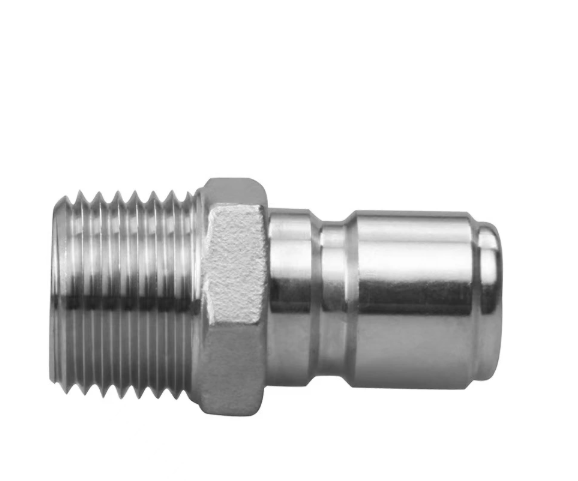
Residual wort and beer contain organic compounds, proteins, and other deposits that can accumulate inside quick disconnect fittings. If these residues dry inside narrow passages or around sealing surfaces, they become more difficult to remove.
A practical cleaning procedure includes:
Initial rinsing: Flush the fitting with clean, potable water to remove loose wort, beer residue, and visible deposits.
Detergent cleaning: Use a brewery-compatible cleaner, such as PBW, at the concentration and temperature specified by its manufacturer.
Internal cleaning: Circulate the cleaning solution through the fluid passage and coupling interface. Use a suitable non-abrasive nylon brush for accessible areas with persistent deposits.
Final rinsing: Rinse thoroughly with potable water when required by the cleaner's instructions.
For fittings with narrow internal passages or removable components, follow the manufacturer's cleaning and disassembly instructions to ensure that all product-contact surfaces are reached.
Not all cleaning chemicals are suitable for stainless steel. Chloride-containing products, excessive chemical concentrations, and prolonged exposure to unsuitable cleaners can damage the passive surface layer and increase the risk of pitting corrosion.
The following comparison outlines common cleaning and sanitizing options for homebrewing equipment.
| Cleaning Agent | Main Purpose | Maintenance Considerations |
|---|---|---|
| PBW (Powdered Brewery Wash) | Removes organic residue, wort deposits, and accumulated brewing soils. | Follow the specified dilution and temperature. Rinse after cleaning. |
| Star San | Acid-based no-rinse sanitizing of properly cleaned brewing equipment. | Use at the labeled concentration and contact time. |
| Citric Acid-Based Products | Used in suitable stainless steel cleaning and passivation procedures. | Use a product and procedure specifically suitable for SS304. |
| Chlorine Bleach | Not recommended for routine SS304 fitting maintenance. | Chlorides can cause pitting corrosion, particularly with prolonged exposure. |
Cleaning and sanitizing serve different purposes. Cleaning removes physical and organic contamination, while sanitizing reduces microorganisms on an already clean surface. A sanitizer should not be used as a substitute for proper cleaning.
A quick disconnect fitting depends on accurate mating surfaces and properly functioning sealing components. Residue accumulation, damaged seals, or worn connection surfaces can lead to leakage and inconsistent connections.
Pay particular attention to three areas:
O-Rings and Seals
Inspect accessible O-rings for cracks, deformation, swelling, hardening, or cuts. Replace damaged seals with compatible materials specified for the operating temperature, cleaning chemicals, and intended fluid.
Coupling Interface
Check the mating surfaces for scratches, residue, corrosion, and visible wear. Contamination around the connection interface can interfere with proper engagement and sealing.
Threaded Connections
Inspect female and male threads for damage, contamination, and signs of cross-threading. Clean the threads using a suitable brush without removing material or altering the thread profile.
Do not force connections that show abnormal resistance during assembly.
SS304 stainless steel resists corrosion through a thin chromium-rich passive oxide layer. However, improper cleaning and exposure to aggressive chemicals can compromise this protection.
Several maintenance practices help reduce corrosion risks:
Avoid chlorine-based cleaners: Bleach and other chloride-rich products can cause localized pitting on stainless steel surfaces.
Prevent cross-contamination: Do not use carbon steel wire brushes or contaminated steel wool on stainless steel fittings. Embedded iron particles can create rust spots.
Avoid aggressive abrasion: Excessive scrubbing can scratch the surface and create areas where deposits accumulate.
Remove chemical residues: Rinse cleaning chemicals according to their instructions instead of allowing concentrated residues to remain on the fitting.
Dry before storage: Drain retained liquid and allow the fitting to dry, particularly around threaded ports and internal cavities.
If visible pitting, persistent rust staining, or surface damage develops, investigate the cause rather than relying on repeated polishing to resolve the problem.
Maintenance frequency depends on brewing frequency, fluid composition, cleaning procedures, and storage conditions. The following schedule provides a practical starting point.
| Maintenance Frequency | Recommended Action | Inspection Focus |
|---|---|---|
| After Each Use | Flush, clean, rinse, and dry the fitting. | Visible residue and retained liquid. |
| Before Each Brewing Session | Sanitize the cleaned fitting according to the sanitizer instructions. | Cleanliness, connection condition, and sealing surfaces. |
| During Periodic Maintenance | Perform a more thorough inspection and clean accessible internal components according to the manufacturer's instructions. | O-ring condition, thread damage, coupling wear, and corrosion. |
| Before Long-Term Storage | Clean, rinse as required, drain, and dry completely. | Moisture retention and chemical residue. |
Cleaning can remove deposits, but it cannot restore damaged threads, worn coupling surfaces, or permanently deformed sealing components.
Consider replacing the fitting or its serviceable components when any of the following conditions occur:
Persistent leakage after checking and replacing compatible seals.
Damaged threads that prevent correct assembly.
Cracks, deep scratches, or significant pitting on product-contact surfaces.
Deformed coupling interfaces that prevent secure engagement.
Repeated connection problems despite proper cleaning and assembly.
For pressure-bearing brewing systems, verify the connection integrity and operating limits before returning a fitting to service.
Maintaining SS304 quick disconnect fittings in homebrewing systems requires consistent cleaning, appropriate chemical selection, and regular inspection of threads, coupling interfaces, and sealing components. Removing brewing residue promptly and avoiding chloride-based cleaners are particularly important for preserving stainless steel surface condition.
Jarzoo Metal provides custom CNC machining services for stainless steel fittings and precision metal components. For homebrewing equipment manufacturers and fluid connection applications, we support custom component requirements based on technical drawings and specified connection dimensions.
Contact Jarzoo Metal to discuss custom SS304 quick disconnect fittings and CNC-machined stainless steel components for your application.